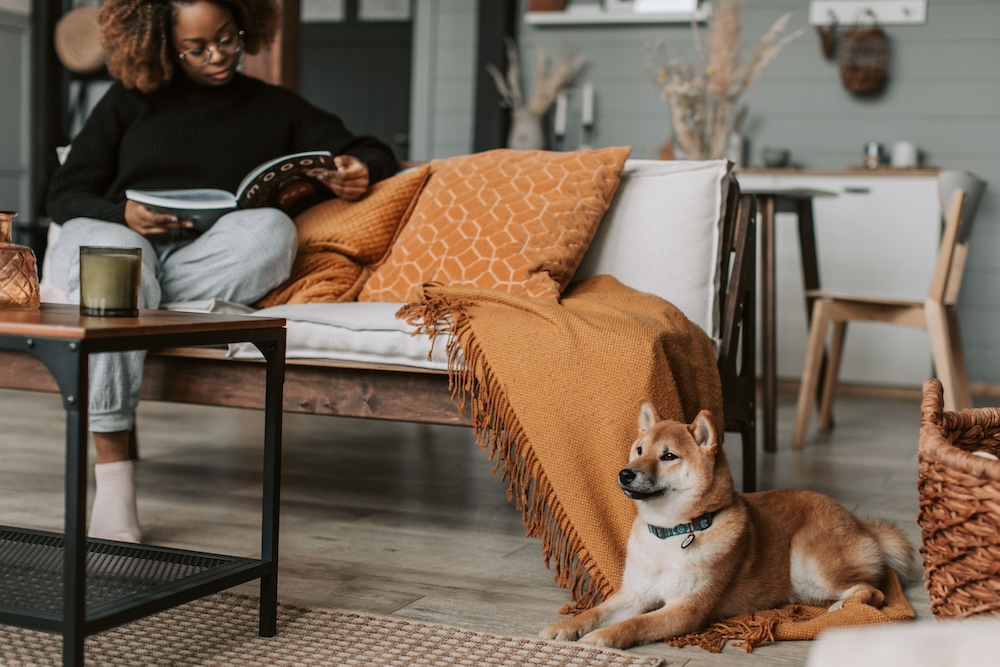
Allowing dogs at luxury hotels is no longer just a nice option reserved for a few accommodating establishments—it has become a key factor in the decision-making process for a large, loyal, and high-spending clientele.
In 2026, nearly two-thirds of French people own a pet, and almost half of travelers say they refuse to go on vacation without their dog. Faced with this reality, high-end hotels have shifted their stance: gone are the days of dogs being tolerated reluctantly; now, pets are welcomed as full-fledged guests. It’s worth taking a closer look at what this means in practical terms for the spaces, the amenities, and the items selected.
1. Why Accommodating Dogs at Luxury Hotels Has Become a Strategic Issue
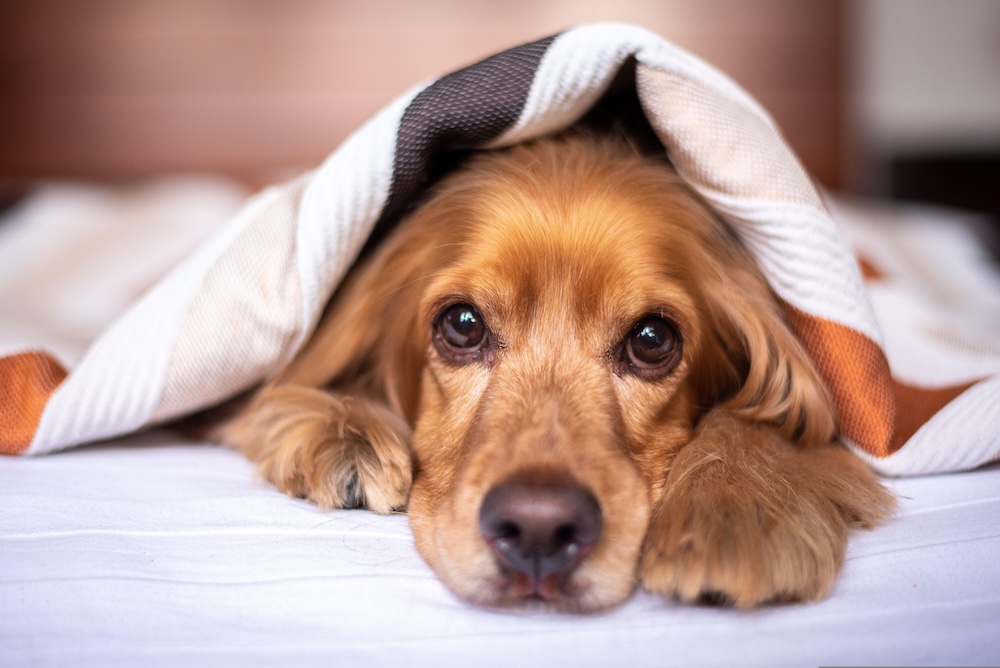
Recent figures published by industry players show this unequivocally. Searches for dog-friendly accommodations increased by about one-third between 2023 and 2026. In five-star hotels, one in five reservations now includes a pet. And travelers who bring their dogs spend, on average, between 15 and 20 percent more per stay than guests without pets—a statistic that should give sales and marketing teams pause for thought.
But perhaps the most powerful indicator is this: a customer who is satisfied with the quality of care their dog receives is three times more likely to return to the facility and recommend it to others. In an industry where the cost of acquiring a new customer is high, building loyalty through the pet’s experience is a strategy that requires relatively little investment but yields a high return.
Added to this is the aspect of organic visibility, which the most forward-thinking establishments have quickly embraced. Content featuring dogs in luxurious hotel settings generates engagement rates on social media that exceed the tourism industry average.
The hashtag #LuxuryDogFriendly had several hundred thousand posts in 2026. A dog in a four-poster bed or enjoying a view of the ocean—this is the kind of content that guests share spontaneously, and it helps build the property’s image.
2. From Tolerance to Hospitality: What the Best Establishments Have Learned
There is a considerable difference between hotels that allow pets and those that truly welcome them. In the former, a dog is a constraint to be managed: a line in the house rules, an extra cleaning fee. In the latter, a dog is a welcome guest, whose presence has been carefully planned in advance, down to every detail of the experience.
The establishments that have established themselves as leaders in this pet-friendly sector all share a holistic approach. Some offer special menus prepared by their kitchen staff using fresh ingredients: meat, organic vegetables, and no salt or spices. Others have partnered with certified groomers or dog trainers to provide on-site services. Private beaches, enclosed gardens, and dedicated play areas round out an offering that transforms the stay into a shared experience between the owner and their pet. This level of service is reserved for establishments that have made being dog-friendly a core part of their identity.
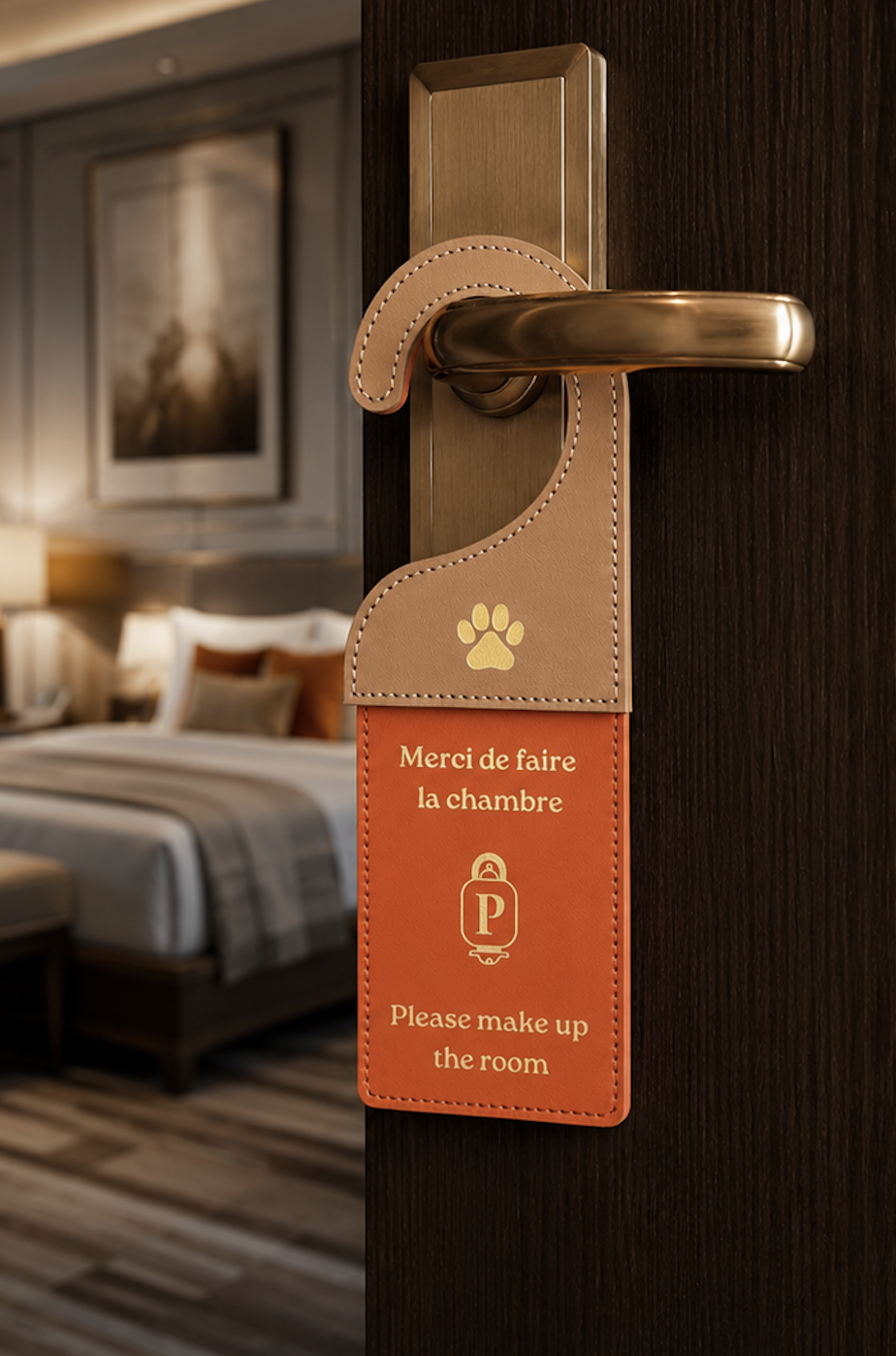
But between a luxury dog hotel and a place that simply checks a box, there’s a middle ground that applies to most hotels: the small details that make all the difference. A thoughtfully curated welcome kit. Ceramic or stainless steel food bowls instead of plastic ones. And on the room door, a small sign that discreetly indicates the presence of a pet—both to inform the housekeeping staff and to let the guest know, without needing to explain, that the hotel had thought of this situation even before their arrival.
This is precisely the kind of project we helped bring to life for a hotel seeking to refine its pet-friendly hospitality without being ostentatious. A genuine leather door tag, crafted in our workshop in the Rhône region, understated and elegant, available in two versions: one featuring the classic “Do Not Disturb” message, the other indicating the presence of a pet in the room. A tiny item in the context of a hotel’s operations. But one whose presence is felt.
3. Objects that embody a sincere welcome
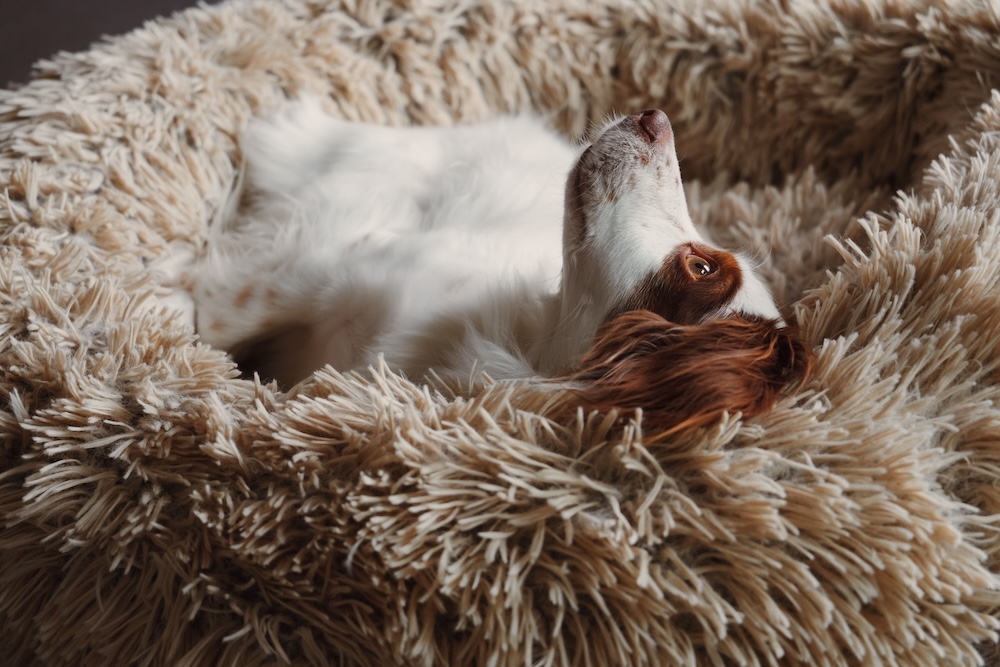
The customer experience is shaped by major decisions: pricing policies, staff training, and the space allocated for animals. But it is felt in the tangible details—in what the customer touches, sees, and interacts with from the moment they arrive.
A dog staying at a boutique hotel deserves amenities that match the establishment’s standard. They don’t have to be spectacular, but they should be in keeping with the overall feel of the room. A blanket draped over the suite’s sofa—made of natural wool rather than synthetic fleece sourced from a generic purchasing cooperative—speaks to the attention paid to materials. It fits seamlessly with the throws, textiles, and decorative items the hotel has selected for its common areas.
This is the line of thinking we’re currently exploring at Midipy regarding dog blankets made from natural wool (sheep or alpaca), designed for hotels that want to extend the consistency of their materials to include pet-specific amenities. The idea isn’t to create a trivial “niche” product. It’s to follow a simple logic: if an establishment has chosen Woolmark-certified natural wool throws for its rooms or terraces, why would the blanket provided for a guest’s dog be made of synthetic material? The consistency of these items speaks for itself. It conveys that nothing has been left to chance.
These items can be customized—in color or with a leather label stitched with the establishment’s logo—and can be included in a bespoke order featuring other items from the Midipy collection. They are thus part of a comprehensive design concept rather than an isolated purchase.
4. Maintenance and Durability of Dog-Friendly Equipment
Maintenance is a key consideration for any hotel that invests in high-quality items. In this regard, genuine vegetable-tanned leather and natural wool have different care requirements but share the same benefits: they are durable and retain their aesthetic appeal over time.
For leather items—door ties, signage, and room accessories—maintenance is minimal. A damp cloth is sufficient for routine cleaning; be sure to let the item dry before storing it. Vegetable-tanned leather develops a patina over time that enhances its character without compromising its durability. It is not meant to be replaced every season: it is a long-term investment.
For blankets and throws made of natural wool, the care instructions are slightly different. Dry cleaning is recommended for thorough cleaning. Small stains can be treated with natural soap and a damp cloth. Regular airing is sufficient to keep the wool fresh. When storing them out of season, a natural moth repellent helps preserve the fiber over the long term.
5. What Our Customers Often Ask Us
What sets a hotel that allows dogs apart from a truly dog-friendly hotel?
True hospitality is reflected in concrete, thoughtful details: a welcome kit designed with the pet in mind, amenities that match the establishment’s standard (food bowls, blankets, signage), and staff trained to interact naturally with the animals. The difference is evident from the moment you arrive: a guest who feels welcome—both they and their dog—is a guest who will return.
Why are luxury hotels investing in pet-friendly accommodations?
Allowing dogs in luxury hotels has become a proven strategy for building customer loyalty: travelers with pets spend more per stay and have a significantly higher return rate when their experience has been positive. Added to this is a spontaneous visibility effect on social media, where content featuring pets in well-appointed hotel settings generates engagement that exceeds the industry average.
What leather or wool products does Midipy offer for accommodating pets at hotels?
Midipy has created genuine leather door tags to indicate the presence of a pet in a room, which can be customized with the hotel’s colors and logo. We also design dog blankets made from natural wool, sheepskin, and alpaca, intended for hotels that wish to extend the consistency of their materials to pet amenities. These projects are custom-designed based on a discussion of your specific needs.
How do you care for a natural wool blanket used for a dog at a boarding facility?
Dry cleaning is recommended for thorough care. For small stains, natural soap and a damp cloth are sufficient. Airing it out regularly keeps the wool fresh. When storing the throw out of season, a natural moth repellent helps preserve the fiber. With these simple precautions, a Midipy natural wool throw can serve an establishment for many years.
Can hotel pet accessories be customized with the hotel’s logo?
Yes. Midipy offers customization via hot stamping or sewing a leather label with a logo onto the wool garment. This customization applies to name tags as well as blanket straps and blankets. It is discussed during the initial consultation and included in the quote.
If you have a project, please don’t hesitate to contact us!
6. Conclusion
There’s something revealing about the way a hotel welcomes its guests’ dogs. It’s not a trivial matter; it’s almost a test of consistency. A hotel that has thought to provide a doorstop, a wool blanket at the foot of the bed, and ceramic bowls tucked away in a discreet corner is a hotel that understands that hospitality doesn’t begin at check-in and end at check-out. It lies in the details—in the objects that no one explicitly notices but whose absence would be felt.
This is exactly what we aim to achieve with the pieces we design for professionals at Midipy: not merely to decorate spaces, but to give them an inner coherence that is felt without needing to be explained. If this resonates with a project you’re working on, we’d be happy to discuss it. You can also discover our collection of natural wool throws or explore our custom designs for hotels and restaurants.
Source: TechnoHotelResto