The board game has long been relegated to a closet, pulled out on evenings of internet failure or rainy Sundays, then put away until the next time. And yet, something is changing. In interiors that are increasingly designed to be beautiful as well as functional, a new question is emerging: what does this space really invite you to do when you move into it?
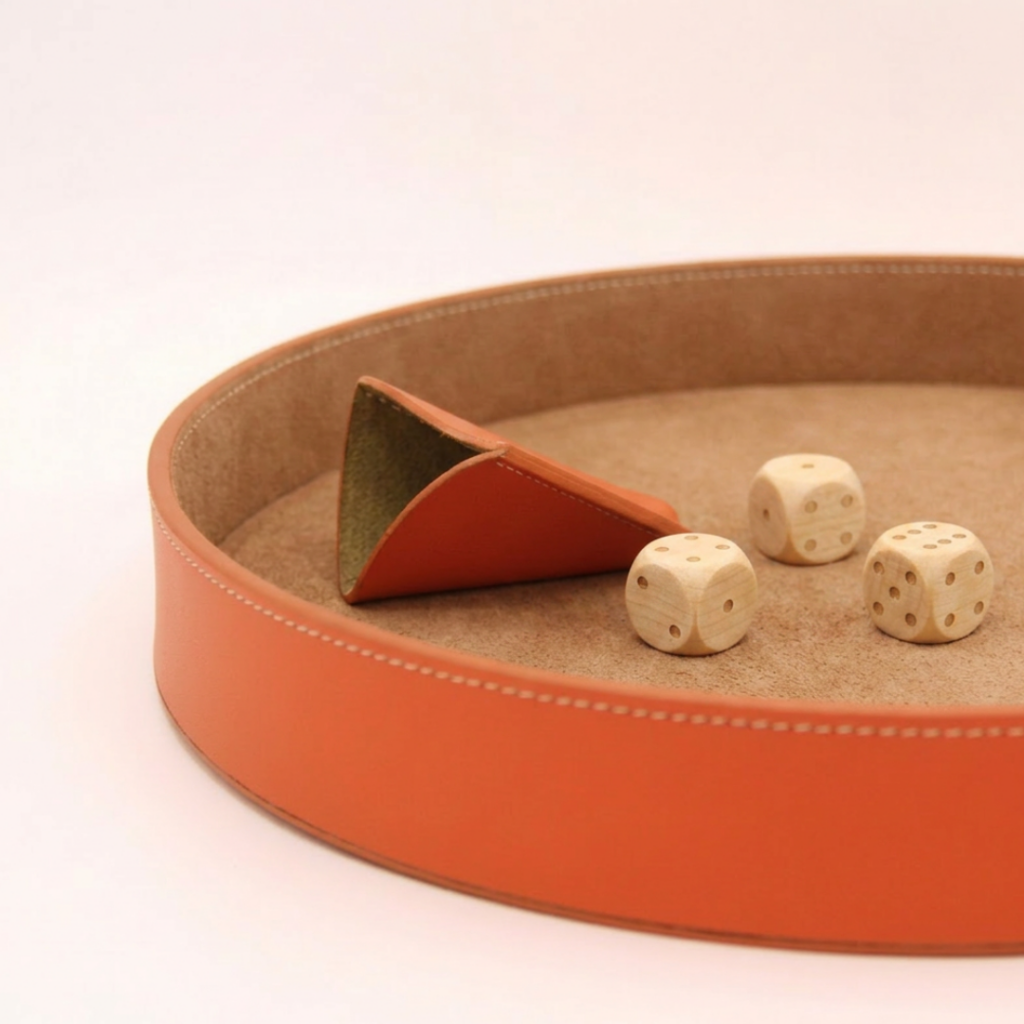
Handcrafted leather board games (checkers, dice boards, card cases, backgammon boards) provide an unexpected answer to this question. These aren’t toys to be put away. They’re objects to be displayed, touched and taken out naturally, because they’re part of the décor. A well-made object, in a natural material that ages gracefully, doesn’t need to justify itself on a coffee table or shelf: it finds its place there like any other beautiful object in the home.
This article explores why play deserves a thoughtful place in our interiors, what natural materials like leather bring to the world of play, and how these objects transform an ordinary moment into something neat.
1. Play at the heart of the home: a tradition we’ve forgotten
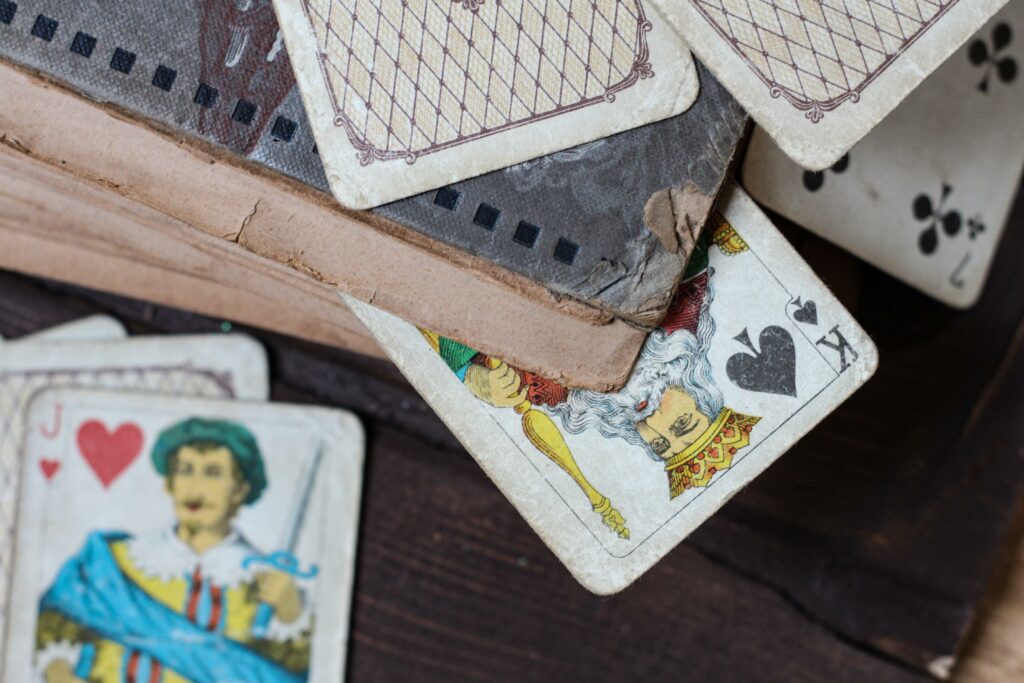
Before screens invaded our living rooms, games were central to domestic life. In 19th-century bourgeois homes, backgammon and card games were part of the furniture, laid out on a dedicated table, taken out after dinner, handed down from generation to generation in their wooden or leather cases. It wasn’t a substitute activity. It was a convivial ritual, as natural as sitting down to dinner.
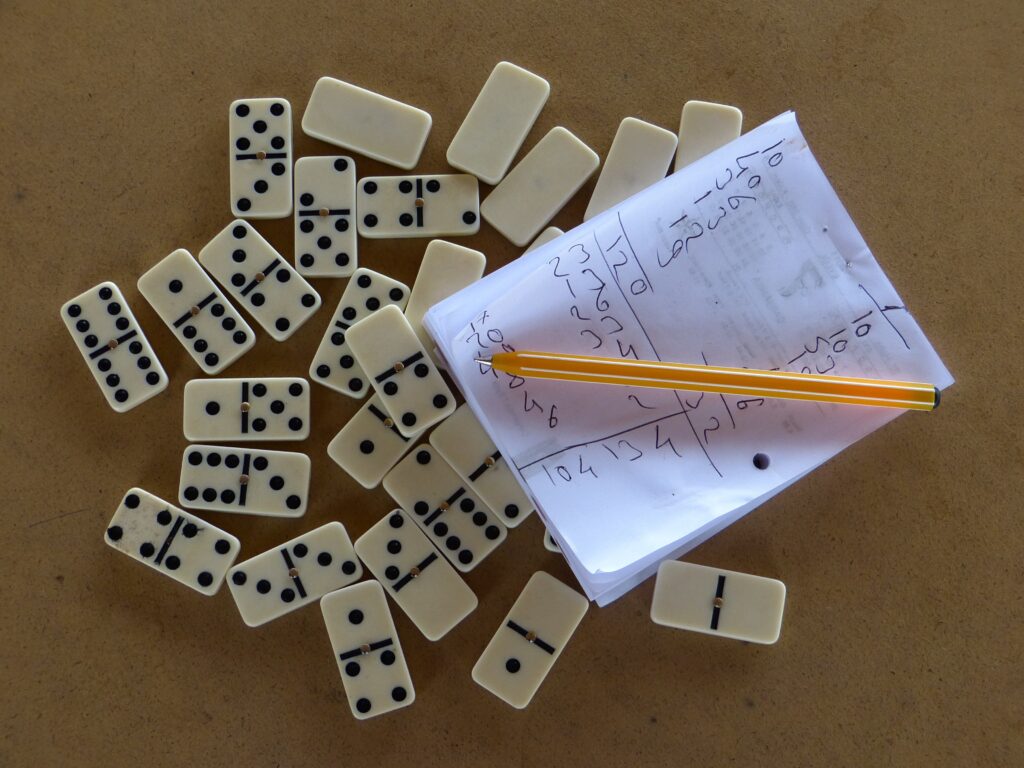
Backgammon, one of the oldest known board games, has been played for over 5,000 years. Traces of it have been found in Mesopotamia, Egypt and Persia. As for dice, they predate even the first organized civilizations: bone dice found in archaeological digs date back to over 8,000 BC. Dominoes first appeared in China in the 12th century, before spreading to Europe in the 18th century. The card game, introduced to Europe from China via the Middle East around the 14th century, quickly became a fixture in living rooms and inns.
What’s striking about this long history is the consistency of the gesture: sitting down opposite someone, putting down coins, rolling dice, playing cards. Gambling creates a space for relationships that few other activities allow so naturally. It forces us to be present, to look at each other, to share the same moment without distraction.
Putting play back at the heart of the home today means reviving this tradition. Not out of nostalgia, but because the need for connection, shared lightness and simple rituals is more alive than ever.
2. Leather and play: when the material transforms the experience

There’s a fundamental difference between taking a deck of cards out of a cardboard box and taking it out of a hand-tanned leather case. This difference is not just visual, it’s sensory, and it changes the way you approach the moment that follows.
Vegetable-tanned cowhide has qualities that are particularly well-suited to gaming objects. Its surface slightly absorbs sound: a dice thrown on a leather dice tray produces an elegant thud, very different from the plastic clatter of an industrial cup.
Its texture, both firm and soft, is pleasant to handle. And its durability is unrivalled: a properly cared-for vegetable-tanned leather object lasts for decades, developing a patina over time that tells the story of its use.
3. Leather in traditional game accessories
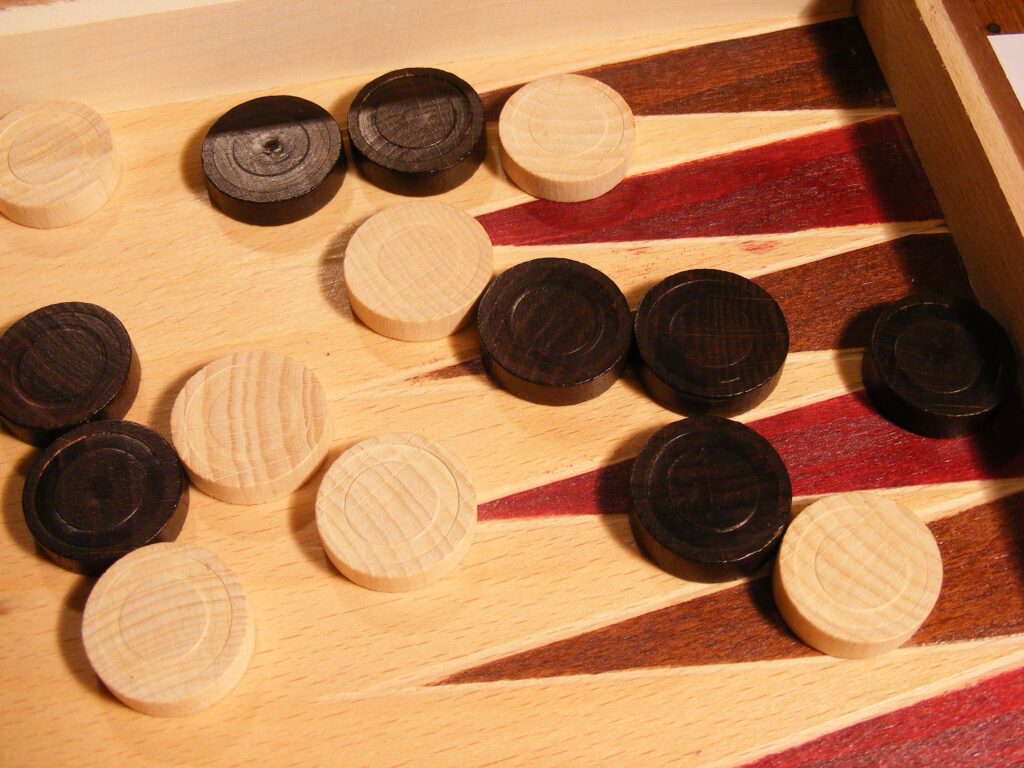
This marriage between leather and gaming is not a contemporary invention. Leather dice cups have been around since Antiquity: the Romans used them for their jacks games. Leather card cases were commonplace in 17th- and 18th-century Europe, made by leather craftsmen to protect valuable games. Backgammon boards dressed in leather or fine felt were objects of prestige, given and passed on in the same way as an exceptional object today.
What contemporary craftsmanship is doing is reviving this tradition by adapting it to modern interiors: objects that don’t look like appliances, that don’t flicker, that don’t require a charger, and that simply sit on a table and say: let’s sit down and play.
4. Objects that live inside, not in a cupboard
This is perhaps the most important difference between a handcrafted game accessory and an industrial board game: the former doesn’t need to be stored away.
A leather dice tray placed on a coffee table, a card case slipped onto a shelf between two books, these objects fit naturally into an interior of natural materials. They don’t clash with an oak parquet floor, a linen sofa or an unfinished wooden bookcase. They are part of the décor, and their very presence is a discreet invitation.
There’s something precious about this silent invitation. A dice cup placed prominently on a wooden tray says to those who enter: here, we take our time. Here, we play. Here, we sit and talk.
The objects we choose to inhabit our spaces say something about the way we want to live there. Choosing play accessories made by hand, in natural materials that last, means choosing to give play the same dignity as any other object in the home: a blown-glass carafe, a ceramic bowl, a natural wool throw.
At Midipy, we hand-make a cowhide dice tray and a leather card case in our partner workshops in the Rhône and Tarn regions , two objects designed to live in an interior, not to be hidden away in a drawer.
5. Frequently asked questions about leather gaming accessories
Why choose a leather dice tray rather than a classic tumbler?
A leather dice runner dampens the sound of the throw, protects the table surface and develops a patina over time that’s appropriate to its use. Unlike a plastic or metal cup, it blends naturally into a well-appointed interior and can be left permanently on a coffee table or desk without detonating. It’s a plaything that’s also a decorative object.
Is a leather deck case compatible with all card formats?
Most handcrafted leather deck cases are designed to hold a standard 54-card deck. At Midipy, our case is custom-made for this format, but not for tarot.
How do I care for a cowhide game accessory?
Genuine leather accessories are simply maintained with a natural leather nourishing wax or cream, applied two or three times a year. It’s best to avoid prolonged exposure to humidity and direct heat. With minimal maintenance, these objects last for decades, developing a unique patina that bears witness to their history of use.
Can backgammon, chess or dominoes be combined with leather accessories?
Exactly. Vegetable-tanned cowhide blends naturally with wooden backgammon boards, bone or resin domino sets, and card games of all kinds. The coherence of natural materials – wood, leather, bone, fabric – creates an atmosphere of play that contrasts with the plastic world of industrial games.