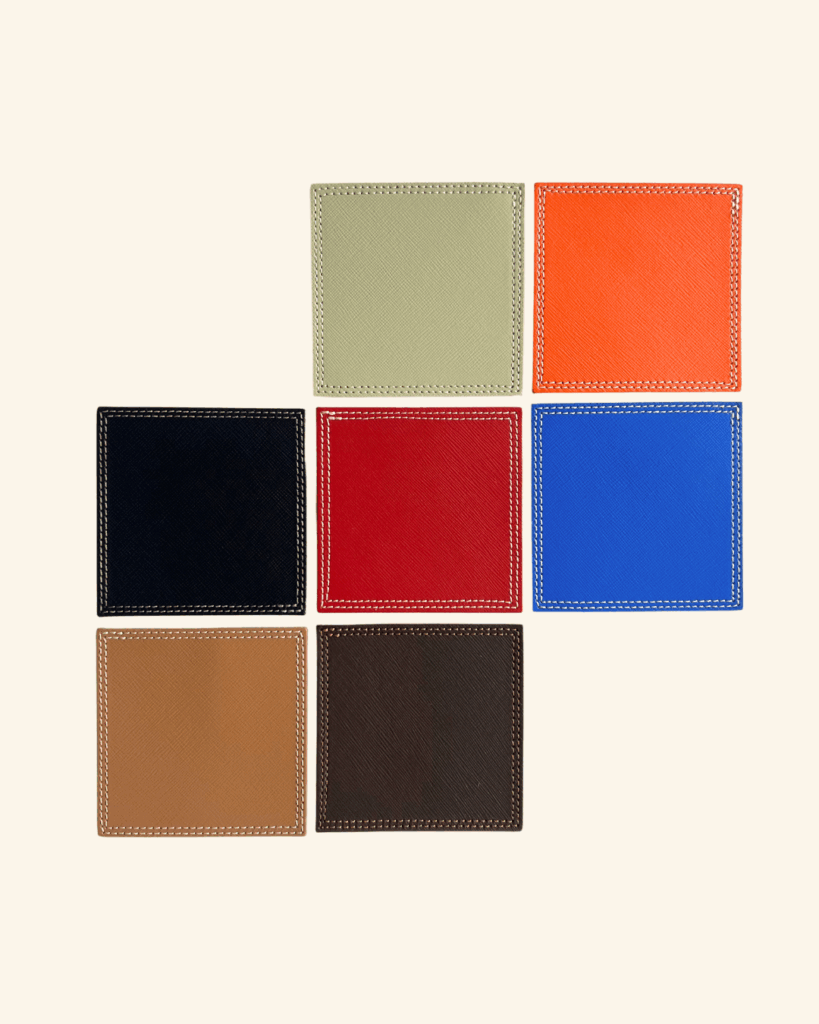
For thousands of years, colors have influenced our perception of the world. They’re not just shades on a palette, but vectors of emotion, revealing personalities and cultural symbols. Color psychology explores how these hues influence our moods, perceptions and even behaviors. To understand this subtle language is to grasp how colors shape our daily experience, whether in our clothing choices, our living spaces or our professional environments.
The foundations of color psychology
Colors are more than just a visual phenomenon. They are the result of a complex process involving light, receptors in the eye and nerve pathways that transmit information to the brain. Once this information has been processed, different areas of the brain, responsible for emotions and thought, react, triggering a multitude of emotional responses. For example, red can evoke passion or danger, while blue often inspires calm and confidence.
The emotional impact of colors
Each color has the power to evoke a specific palette of emotions, influencing our moods and perceptions. Here are some common examples:
- Stimulation: Red and orange, with their intensity, are known for energizing, stimulating energy and arousing passion. They are often used in creative workspaces.
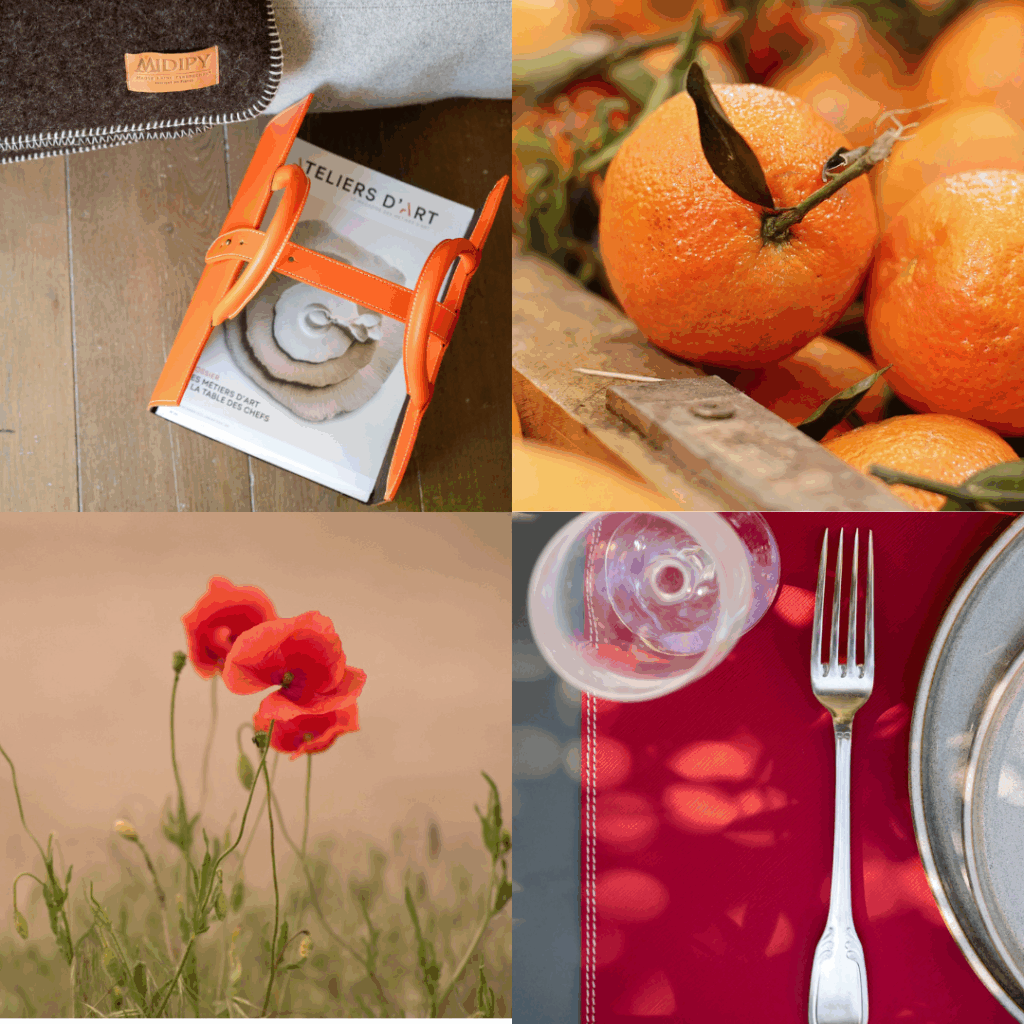
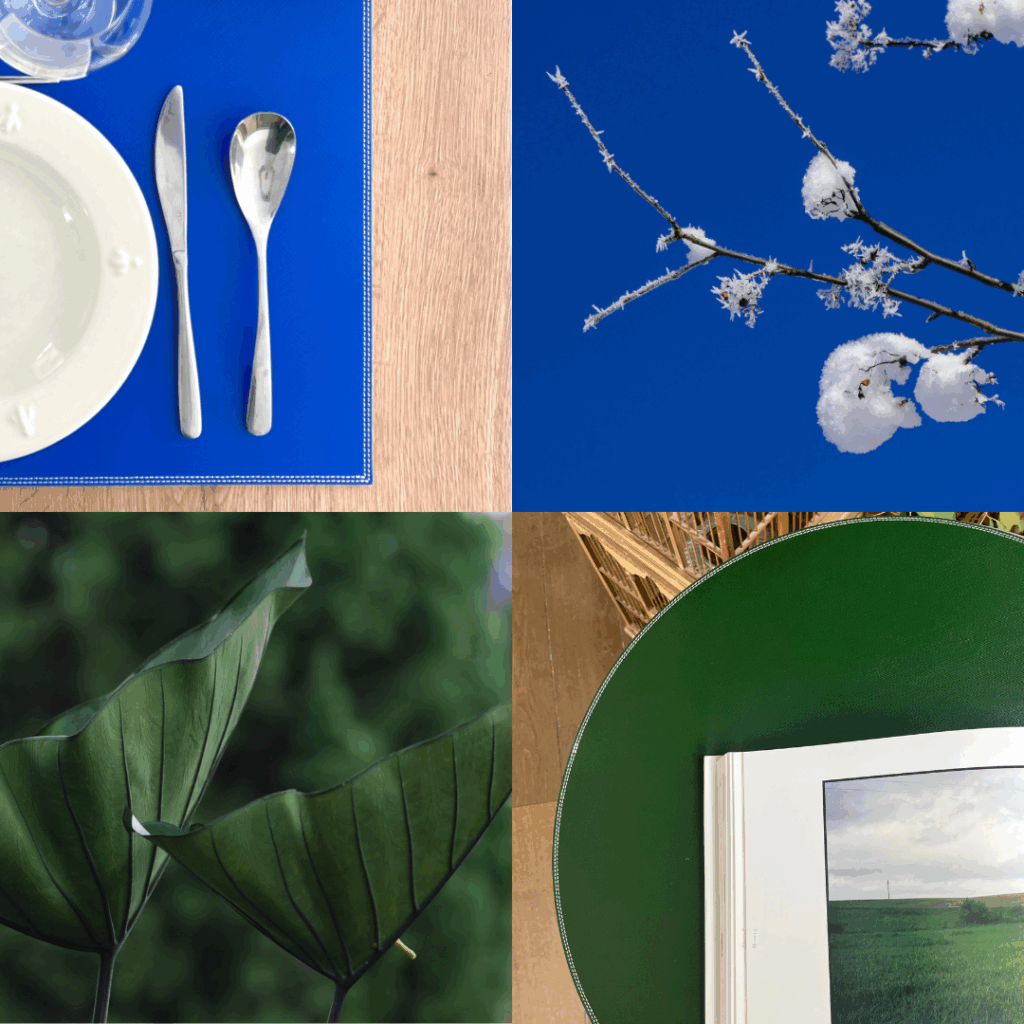
- Calm: Cooler shades like blue and green are associated with serenity and relaxation, ideal for bedrooms or meditation spaces. Darker blues promote concentration and efficiency, perfect for offices or study spaces. Black, synonymous with darkness and mystery, symbolizes elegance and timelessness.
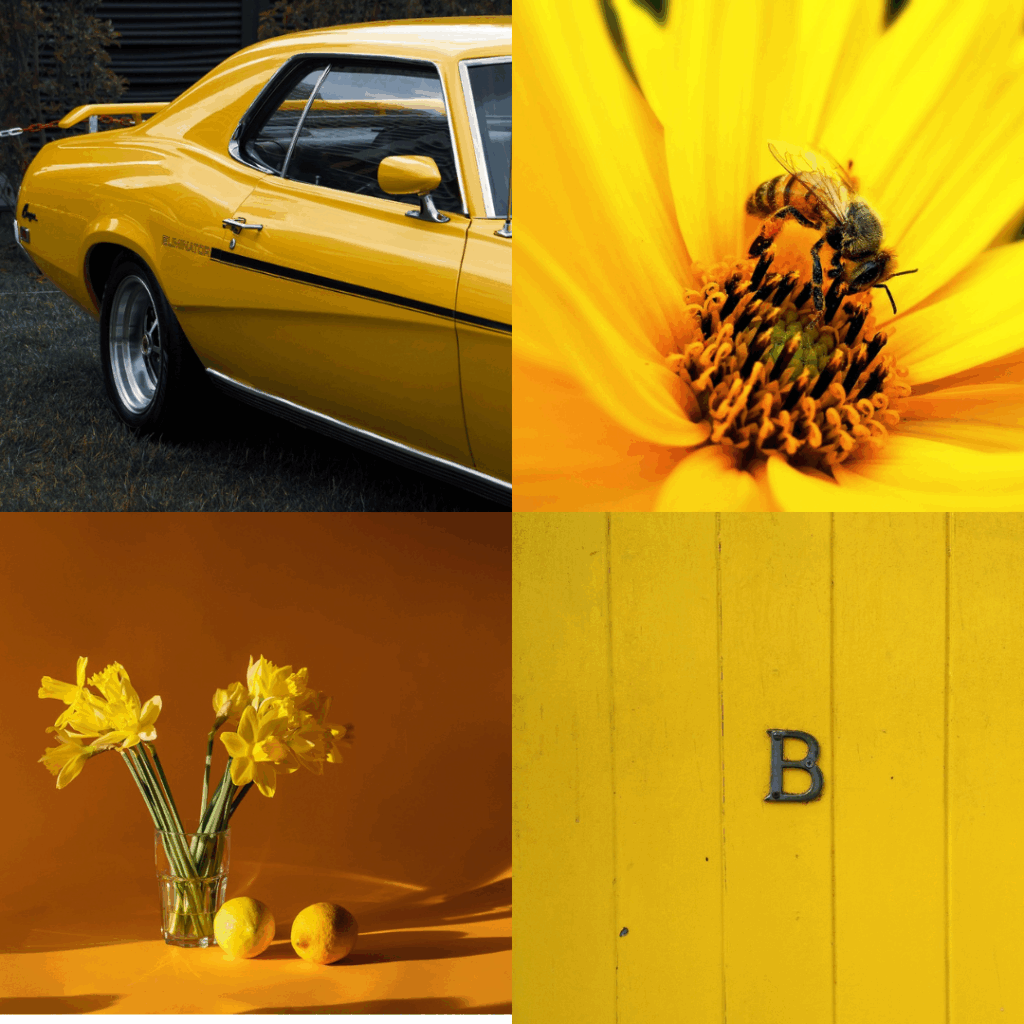
- Optimism: Yellow, with its luminosity and link to the sun, is often associated with joy and positive energy.
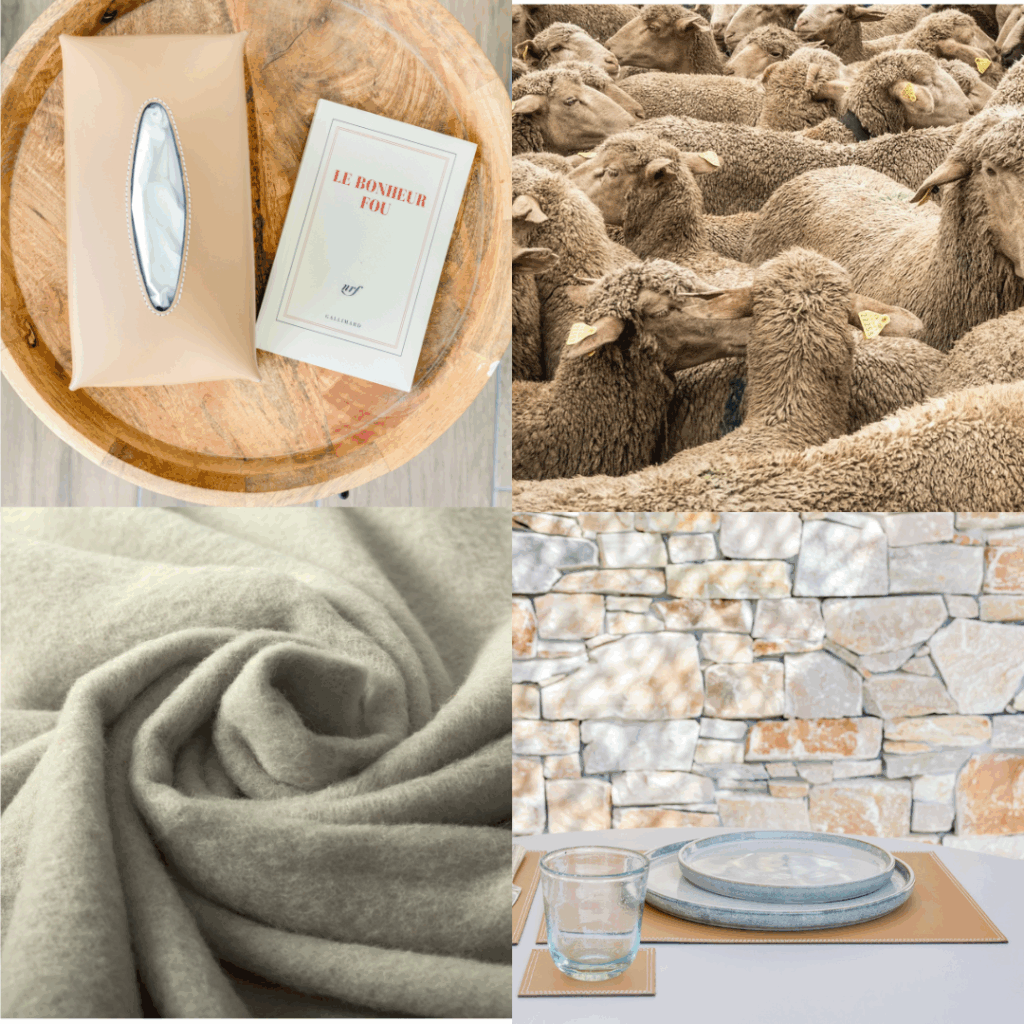
- Balance: Neutral tones like gray and beige symbolize stability and balance, creating a soothing base for other colors.
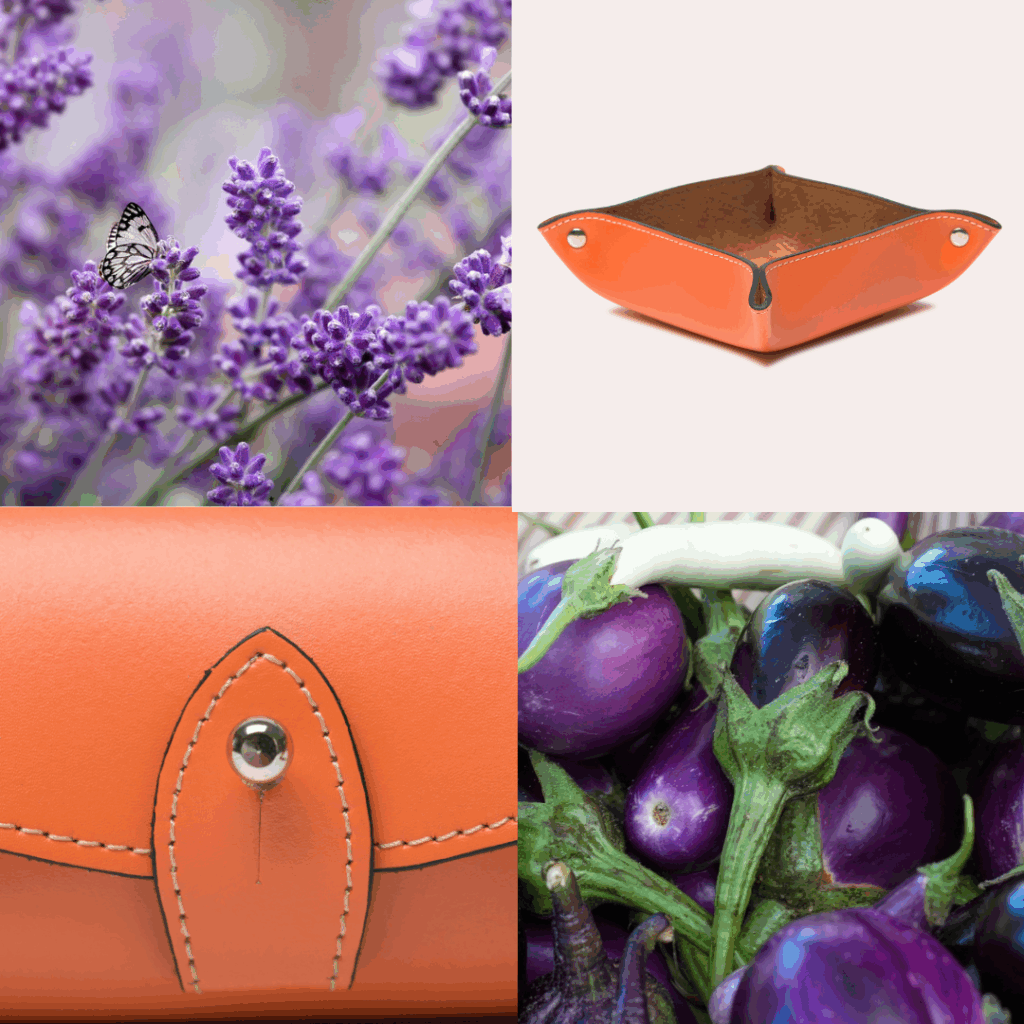
- Creativity: Violet and certain shades of orange are often seen as stimulating imagination and self-expression.
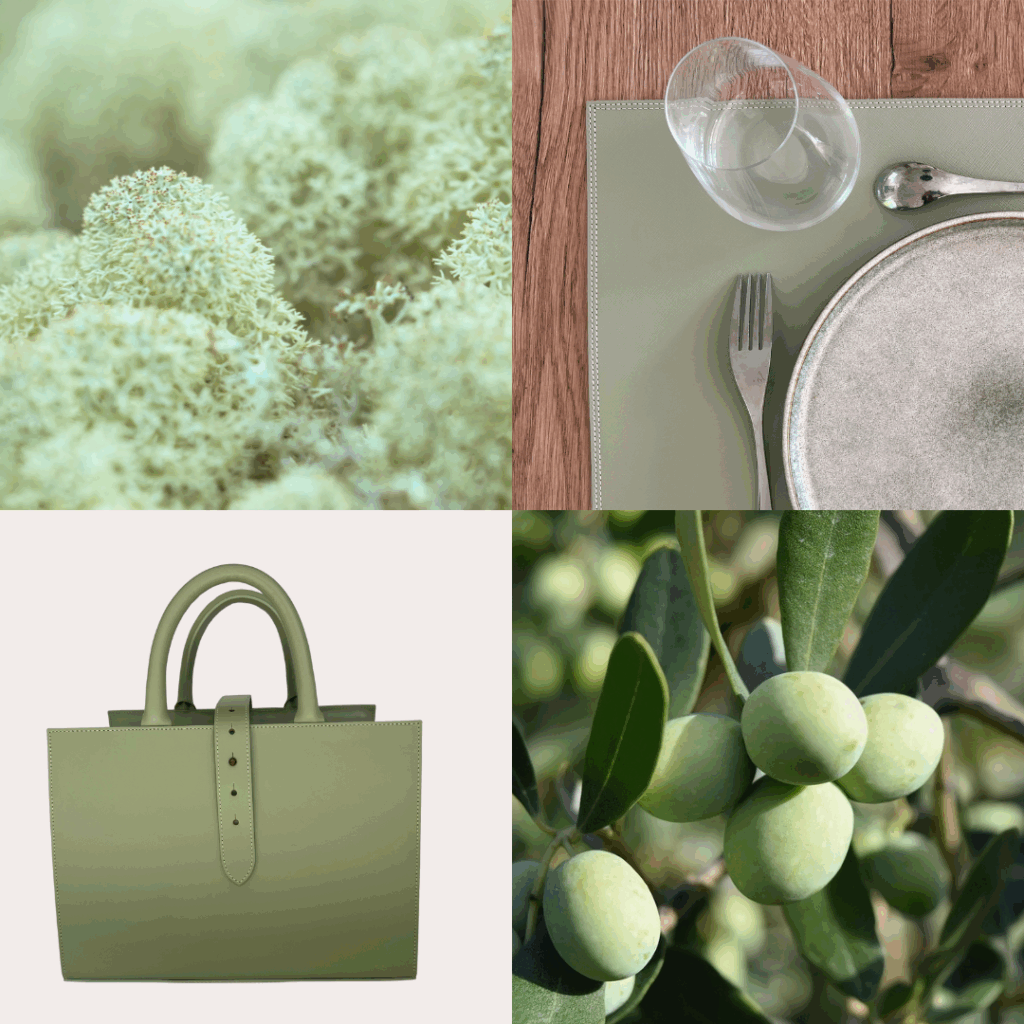
- Refreshing: Shades of green and sky blue evoke freshness and renewal, ideal for bathrooms or outdoor spaces.
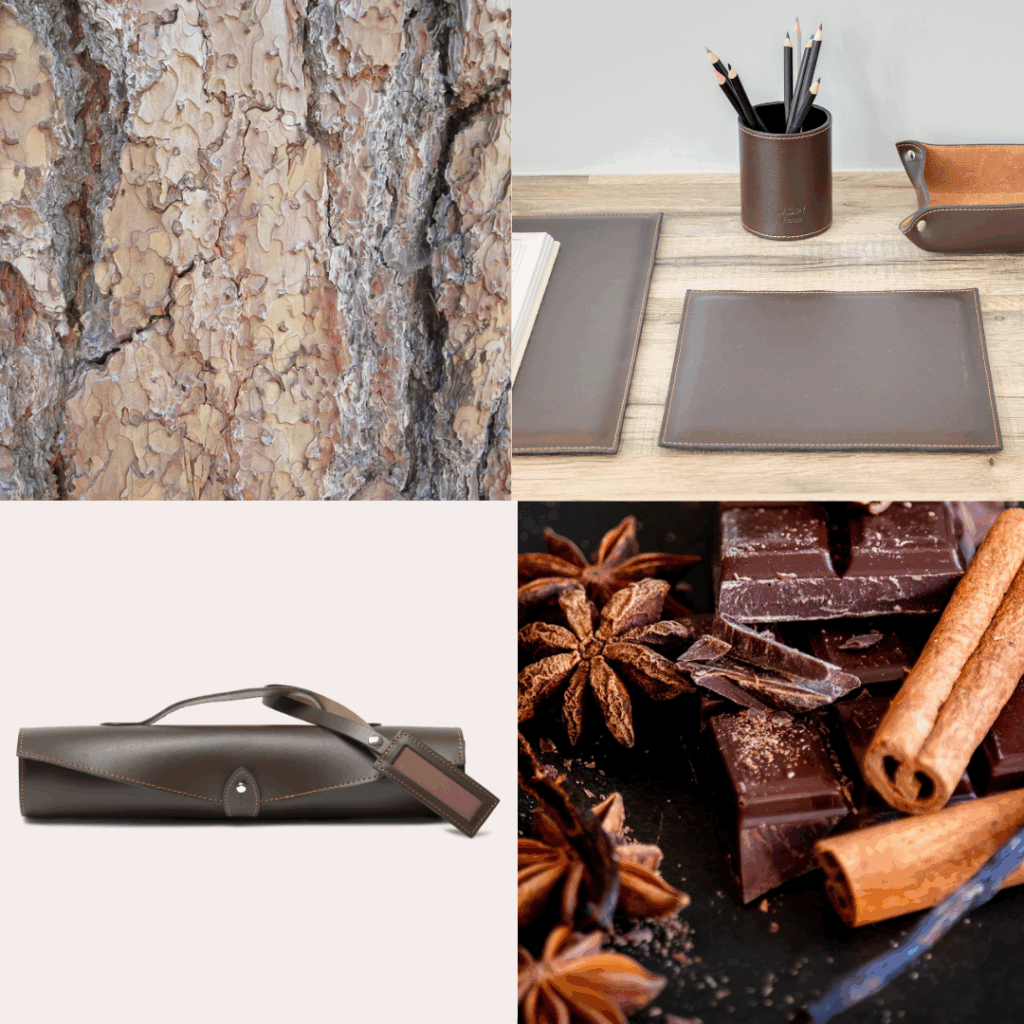
- Comfort: earthy tones, such as brown and ochre, create a warm, comforting atmosphere, perfect for living rooms and relaxation areas.
Saturation and brightness: two key elements
The influence of colors depends not only on their hue, but also on their saturation and luminosity. Bright, saturated colors tend to evoke stronger emotional responses, while softer or darker hues create a more soothing or mysterious mood. For example, a bright red may be perceived as stimulating, while a burgundy red evokes sophistication and warmth.
Contrasts and color combinations
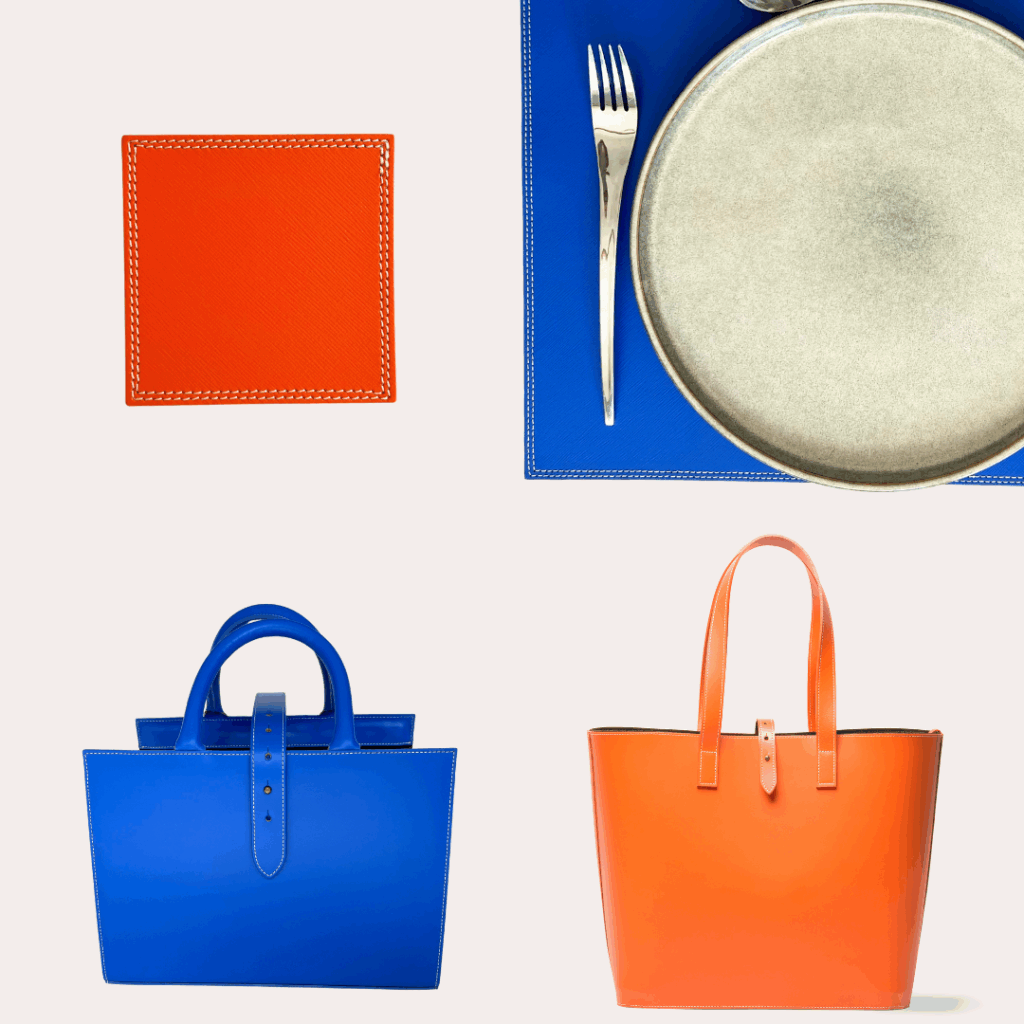
The contrast between colors can also alter their emotional impact. Complementary color combinations, such as blue and orange, create dynamic, vibrant compositions, while monochromatic palettes bring a sense of unity and calm. High contrasts can stimulate attention and arouse interest, while softer combinations provide a sense of tranquility and comfort.
Colors in our daily lives: more than just aesthetic choices
Beyond their aesthetic dimension, colors subtly influence our daily decisions. They can help us focus, relax or motivate, depending on context and environment. Understanding these dynamics can transform the way we approach interior design, clothing or even the architecture of a workspace.
So, which colors do you want to express your emotions with?
Choosing the colors for your interior is much more than a simple aesthetic decision. It’s an invitation to create a space that resonates with our emotions and values. Beyond theories and universal symbolism, there’s also that personal, almost intimate dimension that makes each color speak to us differently. So listen to your feelings. Whether you’re looking to create a stimulating space, a haven of peace or a place imbued with serenity, let yourself be guided by what you feel in contact with the colors that surround you.
Don’t forget that each shade can become the reflection of a moment, a memory or an intention. Make your home a place where every color tells a story: your story.